Vehicle Checks & Inspection Tips
Before buying a car, it’s vital to inspect it carefully inside and out. A thorough check — combined with an instant vehicle history report — can save you from costly surprises later.
1. Exterior Condition Vehicle Checks
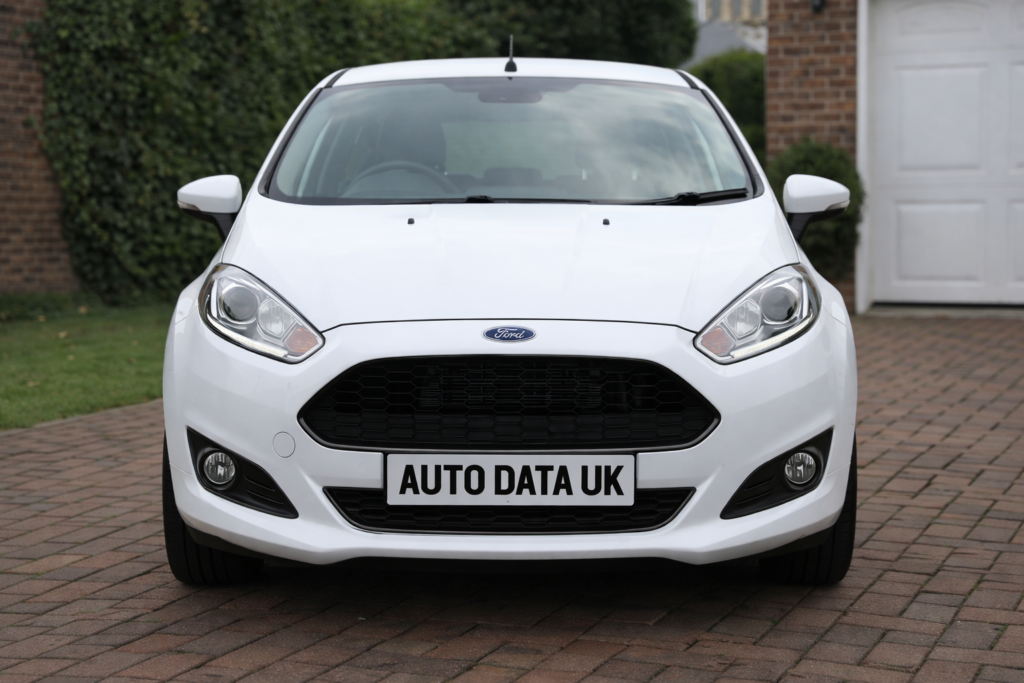
Walk around the car and inspect every panel for consistency:
- Look for mismatched paint, dents, or overspray — signs of accident repair.
- Check that all gaps between panels are even and doors shut properly.
- Inspect tyres for tread depth and even wear — uneven wear could mean alignment or suspension issues.
- Ensure all lights, mirrors, and glass are intact and working properly.
- Inspect in daylight and on dry ground — rain can hide dents and scratches.
- Bring a small magnet to detect filler on repaired panels.
2. Interior and Controls
The inside of the car tells you how it’s been treated and maintained:
- Check seats, dashboard, and trim for wear, stains, or damage.
- Ensure all warning lights appear when you turn the ignition on — and go out once the engine starts.
- Test the air conditioning, infotainment, and electric windows.
- Confirm there are two keys if advertised — replacements can be costly.
- A neglected interior often mirrors poor overall care — take it seriously.
- Check carpets and boot for damp smells or water ingress.
3. Engine Bay
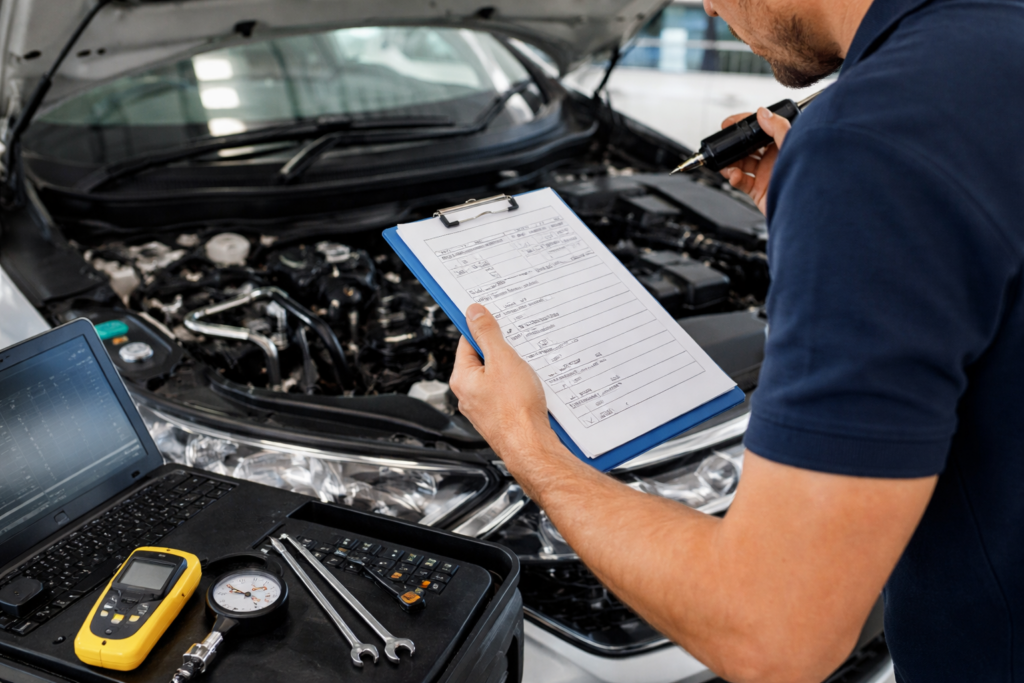
Lift the bonnet and look for leaks, corrosion, or poor maintenance:
- Check oil and coolant levels, and make sure there’s no “mayonnaise” under the oil filler cap.
- Inspect hoses and belts for cracks or perishing.
- Listen for rattles, knocks, or excessive smoke when the engine runs.
- Check the battery terminals for corrosion and a secure fit.
- Warm engines can hide starting issues — ask to start it cold.
- If the seller refuses, treat that as a major red flag.
4. Documentation and Mileage Check
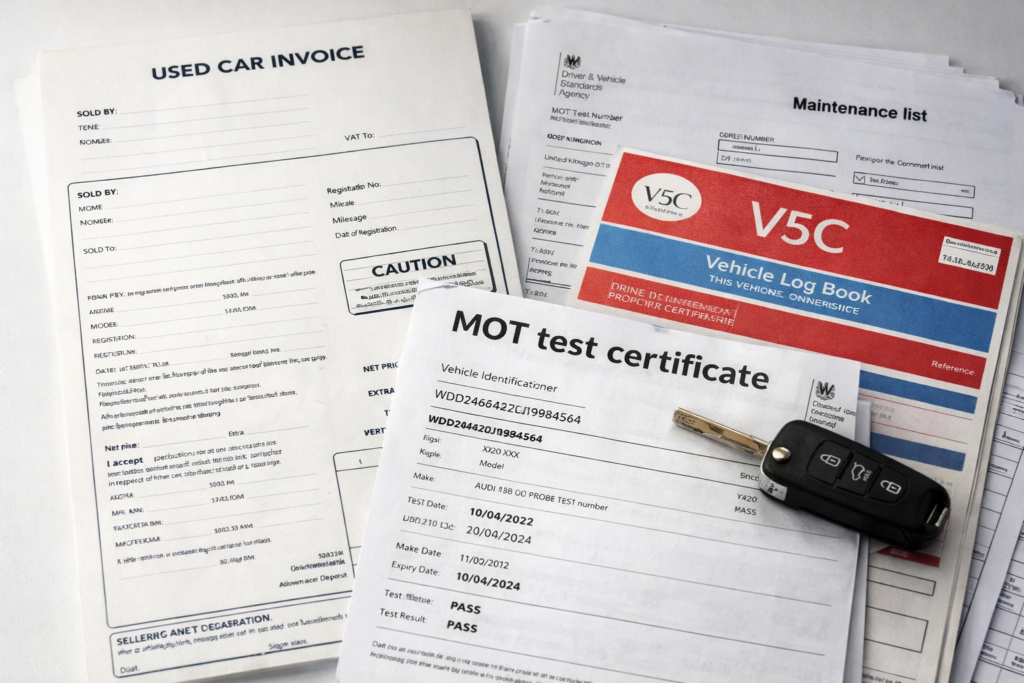
Confirm the car’s mileage matches its service records and MOT history . If anything looks suspicious, run a vehicle history check to verify odometer readings, finance status, and ownership details.
- Compare mileage between service invoices and MOT tests for consistency.
- Look for large gaps between MOTs — it might have been off the road.
- Ask questions if mileage seems low for its age — could indicate tampering.
- Pair this step with checking the essential paperwork and documents .
- Keep a copy of your report for your records and insurance.
5. Preparing for the Test Drive
If the car passes your visual checks, arrange a proper test drive. Follow our test drive checklist to make sure nothing is missed.
- Plan a route with mixed roads — urban, open, and uneven surfaces.
- Listen for unusual noises and note steering or brake feel.
- Ask to start the car yourself — hesitation from the seller is a warning sign.
- Don’t rush — you’re not just testing the car, you’re testing the seller too.